
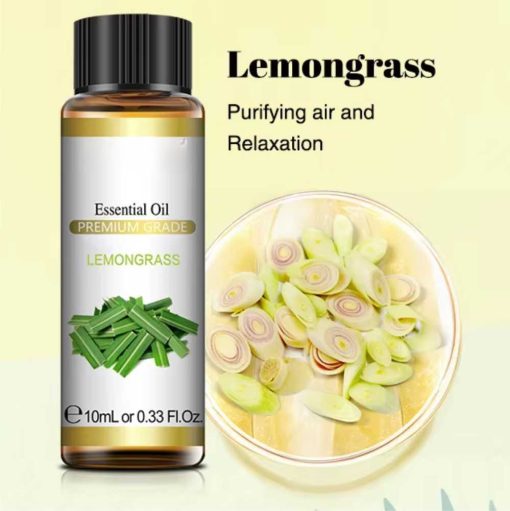
Essential Oil – Lemongrass
Original price was: 9,00 €.6,00 €Current price is: 6,00 €.
- Net Contents: 10ml.
- Purifying air and relaxation
- Pure natural – No additive, No Fillers
Only 1 left in stock
Essential Oil – Lemongrass. Common Uses & Potential Benefits:
*** Jewelry with fragrances ***
Aromatherapy & Emotional Uplift
-
Mood and Anxiety: The invigorating, citrusy aroma is used to alleviate stress, mental fatigue, and enhance mental clarity
-
Cooling Sensation: Inhalation may promote a cooling, refreshing feeling, particularly during warm weather
Skin, Hair & Beauty Care
-
Astringent & Skin Tone: Applied topically (when properly diluted), it can help tighten skin and improve elasticity
-
Soothing & Anti-inflammatory: Contains anti-inflammatory and antioxidant properties effective for skin health and skincare formulations
-
Dandruff Reduction: Shampoos or tonics with lemongrass may significantly reduce dandruff
Oral & Dental Health
-
Gum Disease & Oral Care: Mouthwash containing 0.25% lemongrass oil may improve mild periodontitis and act as a gentler alternative to chlorhexidine
-
Oral Malodor Management: Clinical studies suggest potential benefits against oral malodor and gingivitis comparable to chlorhexidine
Pain, Inflammation & Immune Support
-
Arthritis & Topical Pain Relief: Daily topical application reduced rheumatoid arthritis pain by ~30% over a month in early research
-
Anti-inflammatory & Antioxidant Benefits: Laboratory studies show strong potential in reducing inflammation and oxidative stress
-
Immune and Antimicrobial Effects: Exhibits antibacterial, antifungal, and even anti-biofilm activity (e.g., Candida albicans), helping fight colds and fungal issues
Digestive Support & Traditional Remedies
-
Digestive Aid & Fever Reduction: Traditional use includes alleviating digestive issues, reducing fevers, headaches, and aiding menstrual discomfort.
-
Anti-parasitic Potential: Some in vitro effectiveness against protozoal pathogens (e.g., Leishmania).
Household & Insect Repellent
-
Natural Deodorizer & Cleaner: Used in diffusers and surface sprays to freshen air and sanitize; also enhances DIY cleaners.
-
Insect Repellent: Effective against mosquitoes and houseflies; approved as a biopesticide (as citronella-type product).
How to Use Lemongrass Essential Oil
Methods of Application
-
Aromatically (Diffuser or Inhalation)
-
Add ~3–4 drops to a diffuser for a refreshing atmosphere.
-
Place a few drops on cotton balls or in cupboards to eliminate mustiness.
-
-
Topical Use (Always Dilute)
-
For skin or muscle use, mix ~1–2 drops with a teaspoon of carrier oil (e.g., jojoba, almond, coconut).
-
Add to toners (e.g., 2 ml in 100 ml of witch hazel) or moisturizers (e.g., mix with warm shea butter).
-
For cramps or muscle soreness: massage diluted oil over targeted areas.
-
Add a few drops to shampoos (~1–2 times/week) or scalp treatments for dandruff.
-
-
Steam Inhalation
-
Add drops to boiling water, inhale steam with eyes closed (cover head) for respiratory relief.
-
-
Bath Use
-
Add 6–8 diluted drops to warm bathwater with a dispersant or carrier oil.
-
-
Household Cleaning
-
Use in an all-purpose cleaner: mix 20–30 drops with 1 cup water and 1 cup vinegar in a spray bottle.
-
-
Internal Use (Caution Required)
-
Some brands provide guidance: e.g., dilute 1 drop in 4 oz of liquid. However, internal use should only be with very high-quality therapeutic-grade oils and under professional advice.
-
Safety & Precautions
-
Skin Irritation & Sensitization: High concentration may cause rashes or burns; always patch test and avoid broken skin
-
Avoid Mucous Membranes: Can sting around eyes, mouth, and sensitive areas—use carefully.
-
Phototoxicity Risk: Though lower than citrus peel oils, avoid direct sun exposure after topical application.
-
Pregnancy & Breastfeeding: Avoid use—may stimulate menstrual flow or cause adverse effects.
-
Kidney Health: Lemongrass may increase urination and potassium levels—consult a healthcare provider if you have kidney issues.
-
Children: Be cautious; essential oils can be more potent for children. Avoid internal or concentrated application.
-
Quality Matters: Choose 100% pure, steam-distilled, high-quality oils without additives.
Summary Table
| Use Area | Benefits | How to Use |
|---|---|---|
| Aromatherapy | Uplifts mood, reduces stress | Diffuse 3–4 drops; use cotton balls |
| Skin & Hair Care | Tones skin, reduces dandruff, anti-aging | Dilute before topical use; add to shampoos |
| Oral & Dental Health | Improves gum health, fights oral bacteria | Low-concentration mouthwash (0.25%) |
| Pain & Inflammation Relief | Reduces arthritis pain, soothes inflamed areas | Diluted massage or compress |
| Antimicrobial & Immune | Fights fungal/bacterial infections | Diffuse or apply topically in diluted form |
| Digestive & Traditional Uses | Aids digestion, relieves headaches, cramps | Use in teas (with guidance) or aromatherapy |
| Cleaning & Repelling | Natural deodorizer, insect repellent | Use in cleaner sprays or as repellent diffuser |
Final Thoughts
Lemongrass essential oil is a citrusy, multipurpose botanical marvel: great for uplifting mood, skincare, antimicrobial action, pain relief, and even household cleaning. Still, its potency requires mindful use—always dilute, perform patch tests, and consult professionals for internal, pregnant, or child uses.
Safety Tips for all essential oils!!
Always dilute before skin use (except rare emergencies for minor burns).
Avoid eyes, inner ears, mucous membranes.
Check for allergies before first use.
Not for ingestion unless guided by a certified professional.
Not suitable for small children and pregnant women
| Net Contents: | 10ml. |
|---|---|
| Brand | BUVART |
Only logged in customers who have purchased this product may leave a review.
Related products
Essential Oils

Essential Oils

Essential Oils

Essential Oils

Essential Oils

Essential Oils

Essential Oils


Essential Oils
Reviews
There are no reviews yet.