

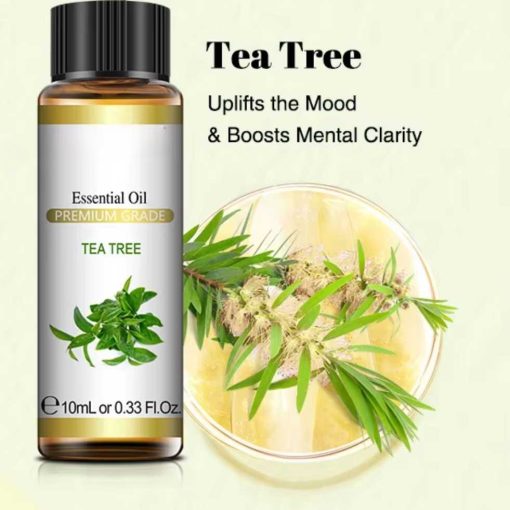
Essential Oil – Tea tree
Original price was: 9,00 €.6,00 €Current price is: 6,00 €.
- Net Contents: 10ml.
- Uplifts te Mood & Boosts mental clarity
- Pure natural – No additive, No Fillers
Only 2 left in stock
Essential Oil – Tea tree. Common Uses & Potential Benefits:
*** Jewelry with fragrances ***
Skin, Nails & Acne
-
Acne: Topical application of tea tree oil (e.g., 5% gel) may help reduce acne, and tends to be less irritating than benzoyl peroxide, though results are slower
-
Minor wounds & skin infections: Its antimicrobial properties may support healing of cuts and scrapes
-
Dandruff & Scalp Health: Mixed into shampoo, it may reduce flakiness and soothe the scalp.
-
Contact Dermatitis: Some evidence suggests it can relieve symptoms of contact dermatitis better than some topical medications.
Fungal, Insect & Mouth Use
-
Athlete’s Foot & Nail Fungus: May alleviate athlete’s foot, though less effective than antifungals; limited evidence for nail fungus.
-
Head Lice: Some potential, especially combined with lavender oil—but not recommended for children due to safety concerns.
-
Oral Health: Mouth rinsing with diluted tea tree oil may reduce plaque, gingivitis, and bad breath—but should never be swallowed.
-
Insect Repellent & Deodorization: Acts as a natural mosquito repellent, deodorant (e.g., underarms), and household cleanser with antibacterial effects.
Aromatherapy & Air Purifying
-
Air Freshening & Diffusion: Its antiseptic aroma is used in diffusers to purify air, repel insects, or uplift the mood.
Emerging Insights
-
Hair & Scalp: May promote stronger, healthier-looking hair by calming scalp irritation and unclogging follicles.
-
Home Cleaning: Used in homemade surface cleaners, mold-prevention sprays, makeup brush sanitizers, laundering boosters, and trash deodorization.
How to Use Tea Tree Oil
Topical Application (Always Dilute)
-
Dilution Guidelines: Use up to ~5 drops of tea tree oil per 20 ml (approx. 4 tsp) of carrier oil (e.g., jojoba, coconut).
-
Acne Spot Treatment: Apply a very small amount—some experts say neat use (undiluted) on a cotton swab may be acceptable for isolated acne spots—but proceed cautiously.
-
Scalp & Hair: Add a few drops to your shampoo or massage it into the scalp diluted with carrier oil (e.g., mix with rosemary oil and jojoba for a clarifying scalp tonic).
-
Minor Wounds & Inflammation: Blend 1 drop with 1 teaspoon of coconut oil; apply to clean minor cuts or use in a wound dressing.
-
Contact Dermatitis Relief: Mix 10 drops with olive and coconut oil to soothe inflamed skin.
-
Deodorant: Dilute in water and apply to underarms; moisturize afterward to prevent irritation.
Aromatic Use
-
Diffuser or Room Spray: Add a few drops to a diffuser or cotton balls for air purification or insect deterrence.
Home Cleaning
-
Surface Cleaner Recipe: Combine tea tree oil with water and vinegar for natural disinfectant spray.
-
Mold/Mildew Control: Mix around 1 tsp with water and spray on damp areas, leaving for an hour before wiping.
-
Laundry Boost: Add 5–10 drops to a load or soaked cloth to combat odors and bacteria.
-
Miscellaneous Cleaning: Use in DIY room fresheners, toothbrush/retainer soak, or as a natural toilet cleaner with baking soda.
Oral Use (Mouth Rinse Only)
-
Use a drop in warm water as a temporary mouthwash—do not swallow.
Safety & Precautions
-
Do Not Ingest: Even small amounts can be toxic, causing ataxia, coma, nausea, and other serious effects.
-
Skin Reactions: May cause irritation, burning, allergic dermatitis—especially oxidized or aged oil. Perform patch tests.
-
Children: Not recommended for children under 12; ingestion can be particularly dangerous.
-
Hormonal Concerns: Has been linked to gynecomastia in young boys; some constituents may be endocrine disruptors.
-
Pets: Toxic to cats and dogs if ingested or applied in high doses..
-
Aromatherapy Caution: Use with caution around children and pets due to potential neurotoxicity.
Summary Table
| Use Area | Benefits | How to Use | Safety Considerations |
|---|---|---|---|
| Acne & Minor Skin Care | Antibacterial, helps clear skin | Diluted topical; spot treat cautiously | Patch test; avoid sensitive skin |
| Scalp, Dandruff & Hair Care | Soothes, reduces flakes | Add to shampoo or massage with carrier oil | Use diluted; patch test |
| Minor Wounds & Insects | Disinfects, soothes bites | Diluted application or in dressing | Avoid open or sensitive skin |
| Athlete’s Foot / Fungus | Antifungal effects | Topical dilution | May be less effective than standard treatments |
| Oral & Gingivitis | Reduces plaque, freshens breath | Mouth rinse (1 drop in water) | Do not swallow; use briefly |
| Household Cleaning & Aroma | Natural disinfectant, fresh scent | Mix with water/vinegar or diffuse | Avoid contact with pets and children |
Final Thoughts
Tea tree oil is a potent, all-around powerhouse—great for skin, scalp care, minor antimicrobial needs, and natural cleaning. But its potency calls for mindful dilution, patch testing, and cautious use around children, pets, and sensitive skin—or never ingesting it.
Safety Tips for all essential oils!!
Always dilute before skin use (except rare emergencies for minor burns).
Avoid eyes, inner ears, mucous membranes.
Check for allergies before first use.
Not for ingestion unless guided by a certified professional.
Not suitable for small children and pregnant women
| Net Contents: | 10ml. |
|---|---|
| Brand | BUVART |
Only logged in customers who have purchased this product may leave a review.
Related products

Essential Oils

Essential Oils

Essential Oils

Essential Oils

Essential Oils

Essential Oils

Essential Oils


Essential Oils
Reviews
There are no reviews yet.