
Symbolism
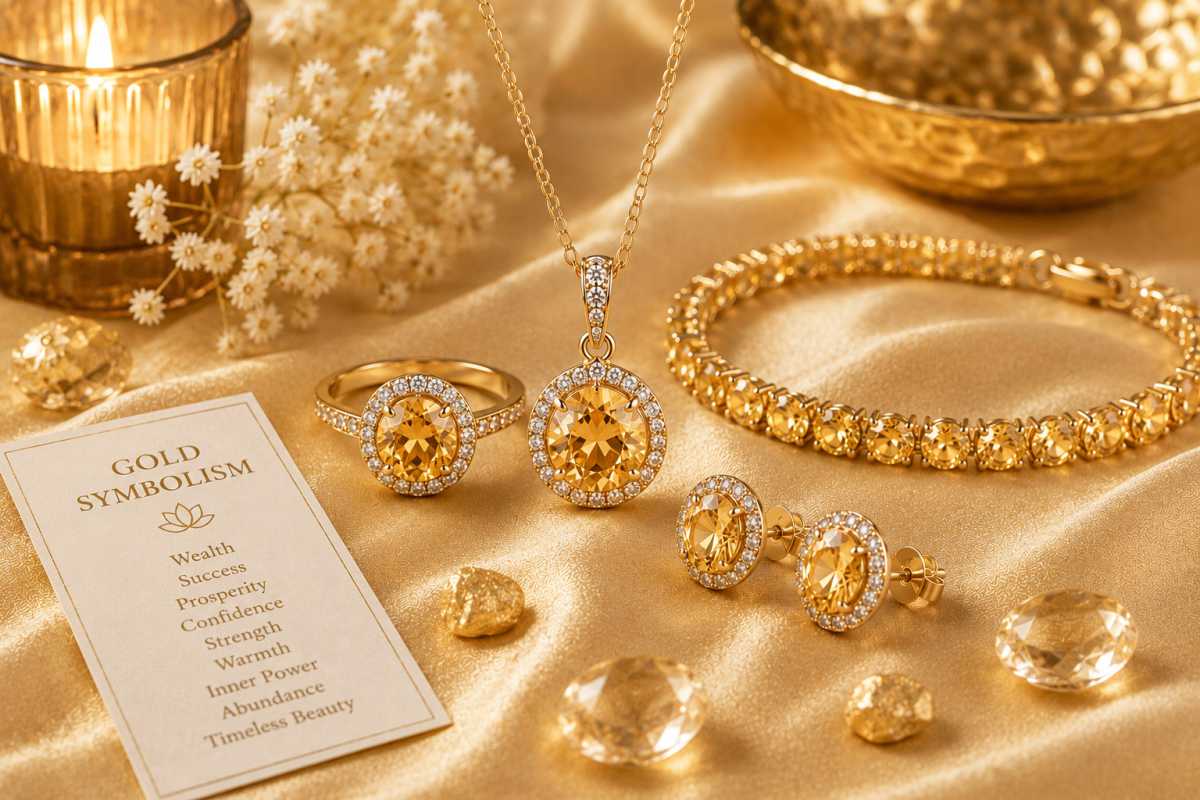
Gold symbolism:
22
May
May
Gold is a powerful and multifaceted symbol across cultures, religions, and historical periods. Here’s an overview of its key symbolic meanings:
1. Wealth and Prosperity
- Literal value: As a precious metal, gold has long been associated with financial wealth and material abundance.
- Status symbol: Gold jewelry, coins, and artifacts often denote high status and luxury.
2. Power and Authority
- Royalty and leadership: Gold is traditionally linked with kings, emperors, and gods. Crowns, thrones, and regalia are often made of or decorated with gold.
- Divine right: In many cultures, rulers used gold to symbolize divine favor or legitimacy.
3. Immortality and Eternity
- Durability: Gold does not tarnish or corrode, making it a symbol of something eternal or unchanging.
- Spiritual transcendence: In alchemy and religious contexts, gold can represent the soul’s perfection or eternal life.
4. Purity and Perfection
- Alchemical ideal: Alchemists sought to turn base metals into gold, seeing it as the most “perfect” of substances.
- Moral and spiritual purity: In many traditions, gold is used metaphorically to describe an incorruptible spirit or heart.
5. Enlightenment and Wisdom
- Light and brilliance: Gold is associated with the sun and divine light.
- Spiritual awakening: In Buddhism, gold symbolizes the highest level of enlightenment.
6. Love and Devotion
- Gifts of gold: Gold is a common symbol of enduring love, often used in wedding rings and other romantic gifts.
- Sacred offerings: Gold is offered in temples and rituals to show devotion.
