
Symbolism
Wristwatch symbolism
05
Jun
Jun
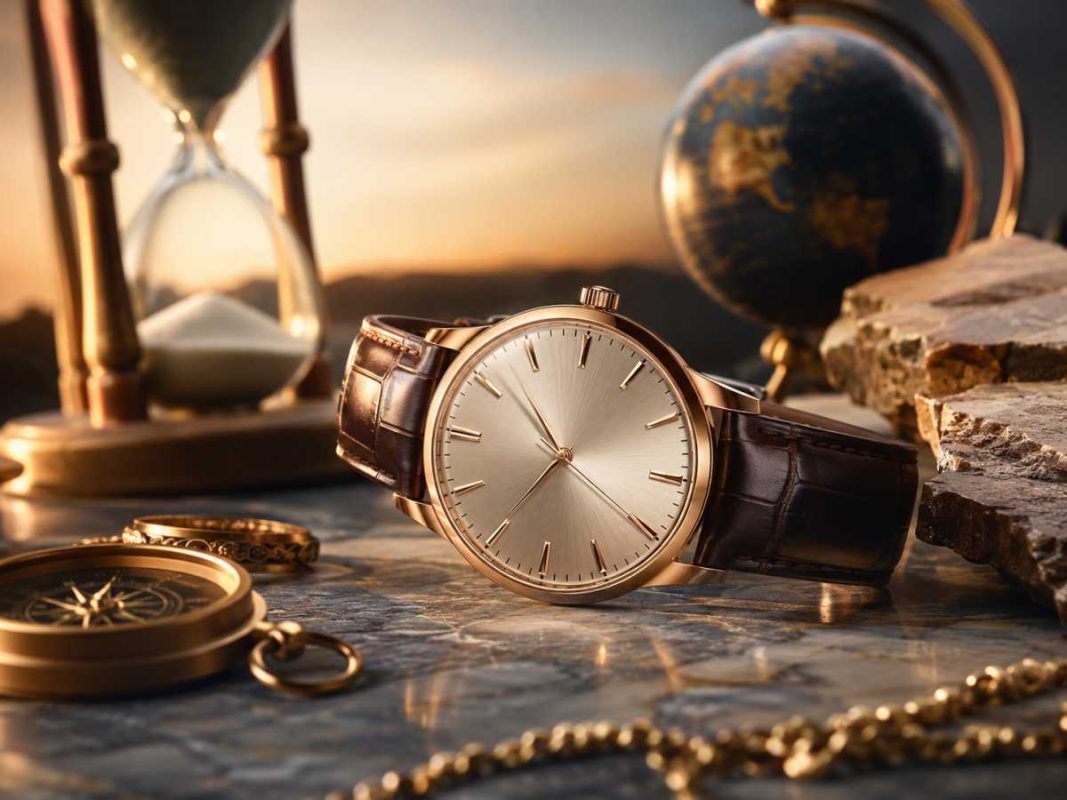
A wristwatch can carry rich symbolic meaning in literature, art, film, and even in everyday life. Here’s a breakdown of the common symbolism associated with wristwatches:
1. Time & Mortality
- Most common symbol: A wristwatch reminds us that time is passing.
- It can represent the finiteness of life, aging, or the inevitability of death (memento mori).
- In some contexts, it emphasizes the urgency of time or a race against it.
2. Control & Order
- A wristwatch often stands for discipline, structure, and routine.
- It may suggest someone who is organized, punctual, or constrained by schedules.
3. Wealth & Status
- Luxury watches symbolize wealth, power, and success.
- Specific brands or styles can be markers of class or taste.
4. Modernity & Technology
- Especially in earlier 20th-century literature or art, wristwatches can symbolize modern life, industrialization, and the machine age.
- A digital watch or smartwatch might represent the fusion of human and technology.
5. Memory & Legacy
- A wristwatch passed down through generations symbolizes heritage, family, and memory.
- It can evoke a sense of nostalgia, especially if it’s an heirloom or associated with a loved one.
6. Masculinity & Identity
- Traditionally, wristwatches have been seen as a masculine accessory, symbolizing strength, maturity, and responsibility.
- In storytelling, a character giving or receiving a watch can signal a rite of passage.
